
The 21st century has brought unprecedented changes in the way we live, work, and interact with our environment. With challenges like climate change, resource scarcity, and social inequalities growing, the role of education has never been more critical. Teachers today are called upon to move beyond traditional methods of instruction and prepare students for a world that demands adaptability, creativity, and a deep sense of responsibility toward the planet. Among the most essential areas of focus is the cultivation of green skills—practical knowledge and competencies that equip young people to contribute to a sustainable future.
Shifting Mindsets in Education
Education in the modern era is no longer just about memorizing facts or passing exams. It is about fostering critical thinking, problem-solving, and collaboration. Teachers are increasingly tasked with helping students see the connections between what they learn in the classroom and the wider world. This shift requires embracing interdisciplinary learning, integrating science, technology, social studies, and the arts to explore how communities and ecosystems are interconnected. By encouraging students to engage in hands-on projects, discussions, and reflections, educators help them develop a mindset that is both innovative and responsible, capable of approaching complex challenges with confidence.
One of the most pressing areas of focus in 21st-century education is sustainability. Green skills—ranging from understanding renewable energy and sustainable agriculture to waste management and ecosystem stewardship—are critical for preparing young people to tackle environmental challenges. Teachers can incorporate these skills by designing projects that allow students to observe, experiment, and create solutions that benefit their communities. For example, a school garden can teach biology, teamwork, and sustainability all at once, while digital platforms can connect students with peers globally to exchange ideas about climate action. Embedding sustainability into everyday learning nurtures not only environmental awareness but also problem-solving, creativity, and ethical reasoning.
The Role of Technology and Global Citizenship
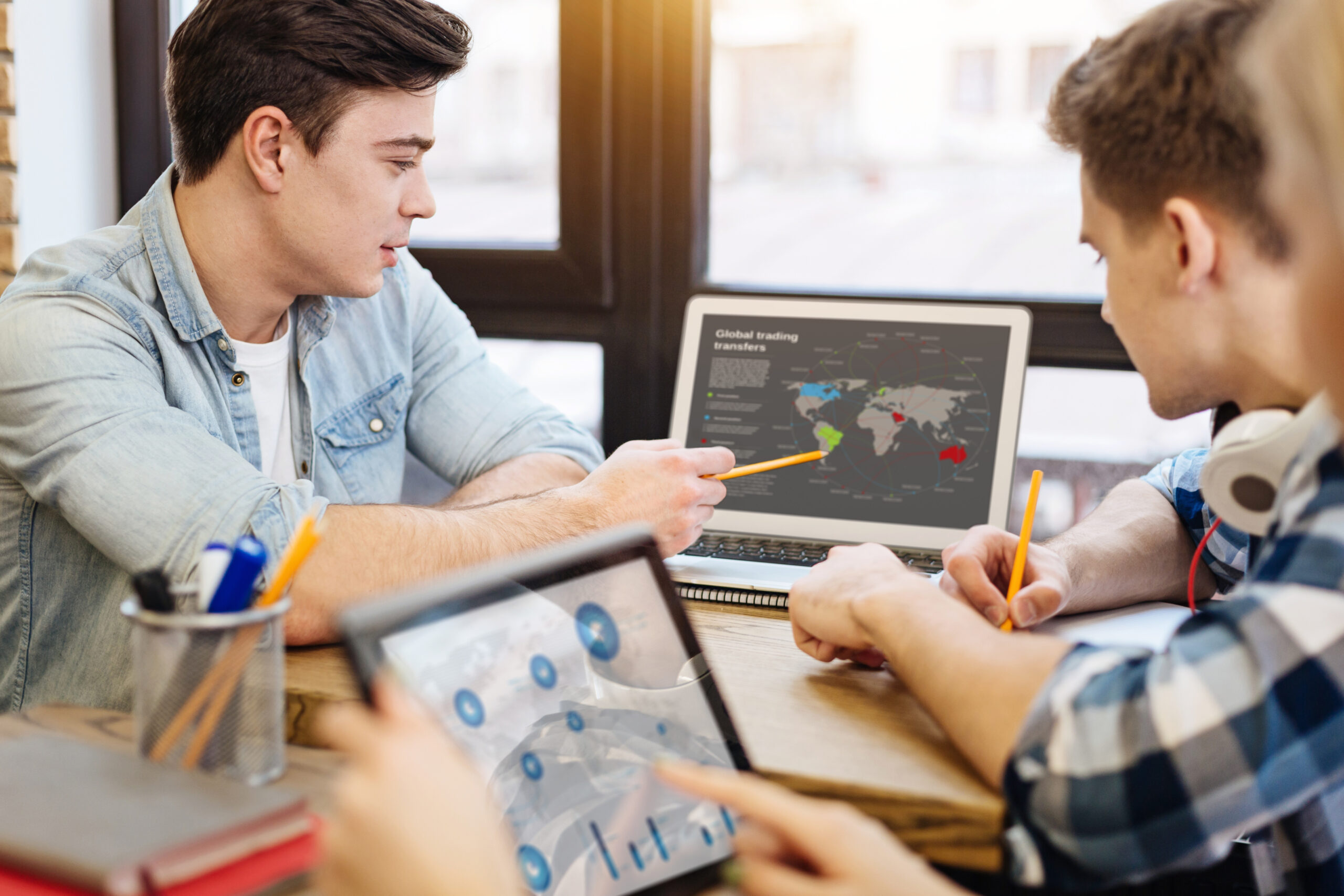
Technology is a key enabler in preparing students for the demands of the 21st century. Digital tools can facilitate collaborative learning, access to global knowledge networks, and the development of new skills. Beyond technical proficiency, teachers should cultivate a sense of global citizenship—helping students understand their roles as active participants in a connected world. By engaging in projects that address real-world challenges, students learn empathy, cultural awareness, and the ability to think critically about solutions that are scalable and inclusive. Technology, combined with an emphasis on sustainable development, equips young learners to not only navigate the future but to shape it responsibly.
Ultimately, education in the 21st century is about more than preparing students for jobs—it is about preparing them for life, community, and stewardship of the planet. Teachers who embrace innovative methods, integrate green skills, and foster global awareness empower students to become active changemakers. By connecting knowledge to action, educators can ensure that the next generation grows up with the tools, mindsets, and values necessary to create a sustainable, equitable, and thriving world.